DigitalXForce issued a corrected release detailing an Arsenal Growth Equity investment, IDC MarketScape Leader placements and reported 514% growth.
The Latest
/C O R R E C T I O N – DigitalXForce Corporation/

Open-Weight Kimi K3.1 Pro Nears The Frontier Before Its Weights Release
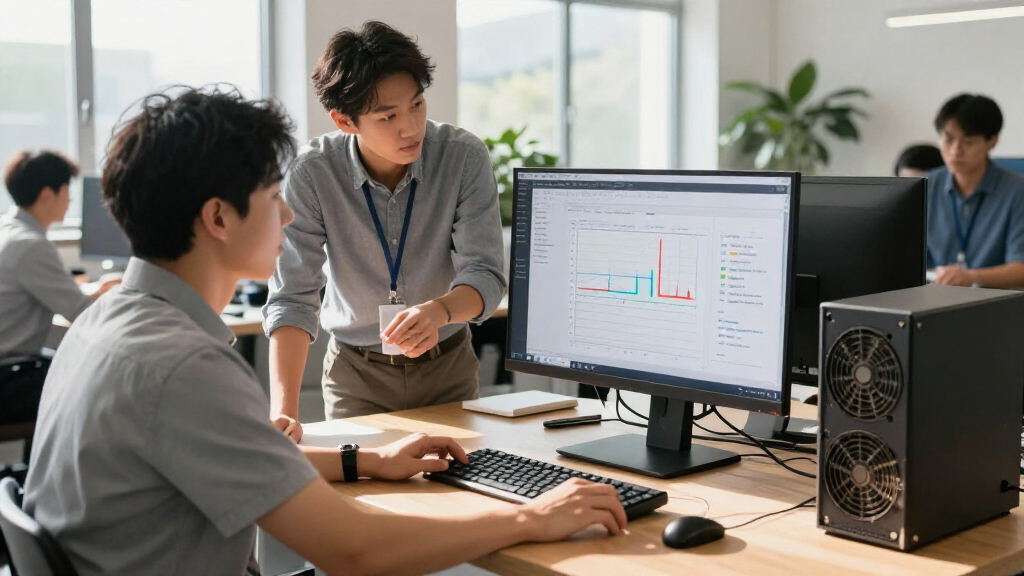
Artificial Analysis ranks Kimi K3.1 Pro fourth overall. Moonshot says its weights will follow by Nov. 4, but has not published a licence.
ECB Consumer Expectations Survey Results – September 2026

ECB survey respondents reported slightly higher near-term inflation, income and spending expectations, but a weaker growth outlook and rising expected unemployment.
France Heads Into A Bond Crisis

MoneyWeek warns that France’s persistent deficits and heavy debt burden could intensify bond-market pressure; timing and scale remain uncertain.
Anthropic’s $345,000 Role: Helping Executives Find The Right Words

A CTech headline says Anthropic will pay a writer $345,000 to help executives communicate, but the pay terms and duties remain unverified.
Developing Research Ideas In AI With Literature As Context

A 17-researcher study found LitPivot proposals were rated as better grounded in literature than proposals developed with a text editor and AI chat tool.
Liberty Gold Stretches Black Pine’s Reach In Idaho
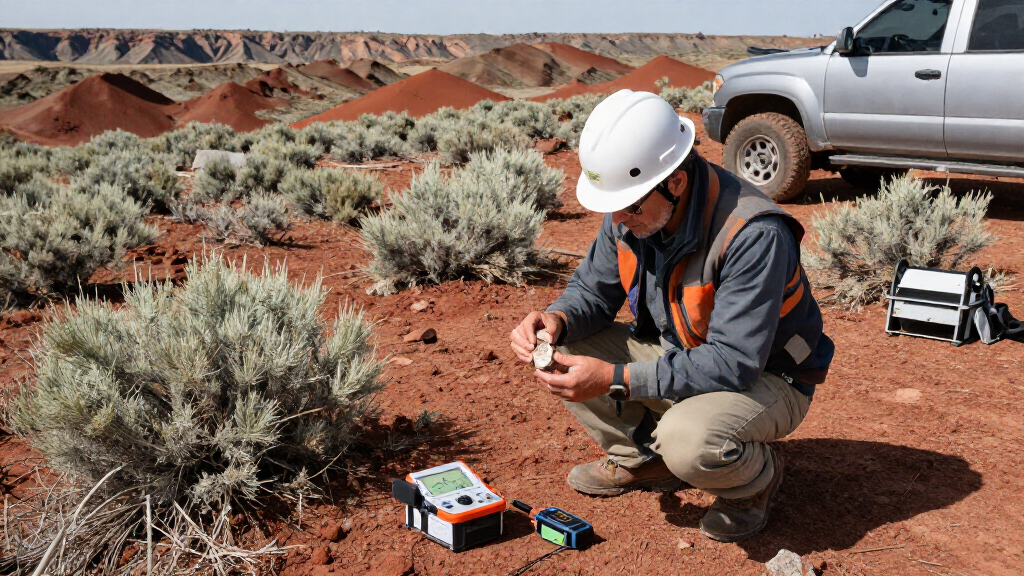
Liberty Gold reports oxide gold beyond Black Pine’s Rangefront resource boundary as a 50,000-metre drilling program advances in Idaho.
How To Compare Contractor Safety Grades Before Starting A Project

A proposed A-to-F contractor safety report would combine license, insurance and public-record checks. Its usefulness and accuracy still need testing.
A 2027 Guide To 10 Ultrawide Monitors For Gaming And Productivity

A 2027 buying guide compares 10 ultrawide monitors by size, resolution, refresh rate and connectivity, while noting limits in the available product details.
Run Live Events With Phone-Free Operations
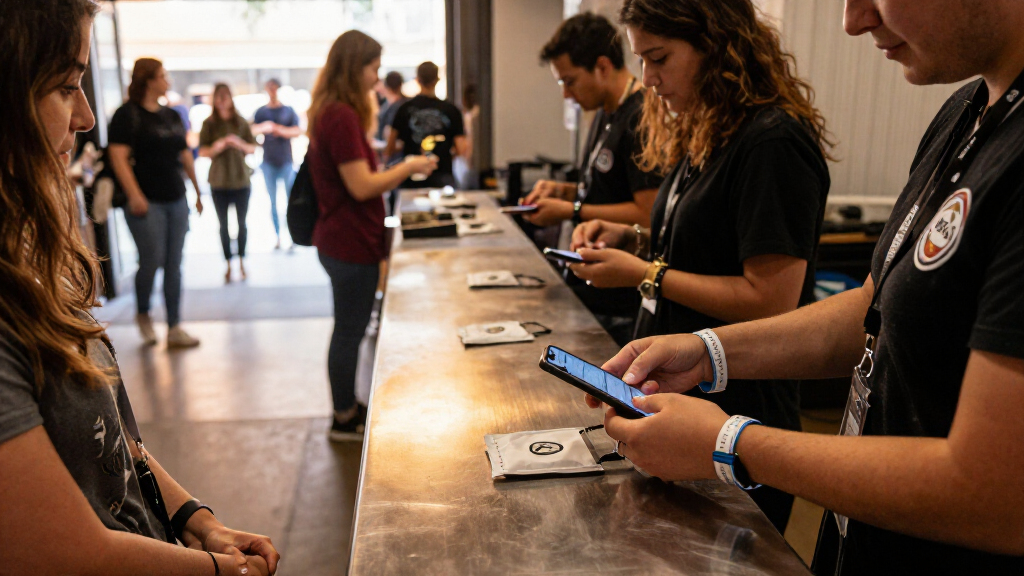
A proposed operations tool would help phone-free venues manage pouch inventory, exceptions, emergency unlocks and event records, starting with pilots.